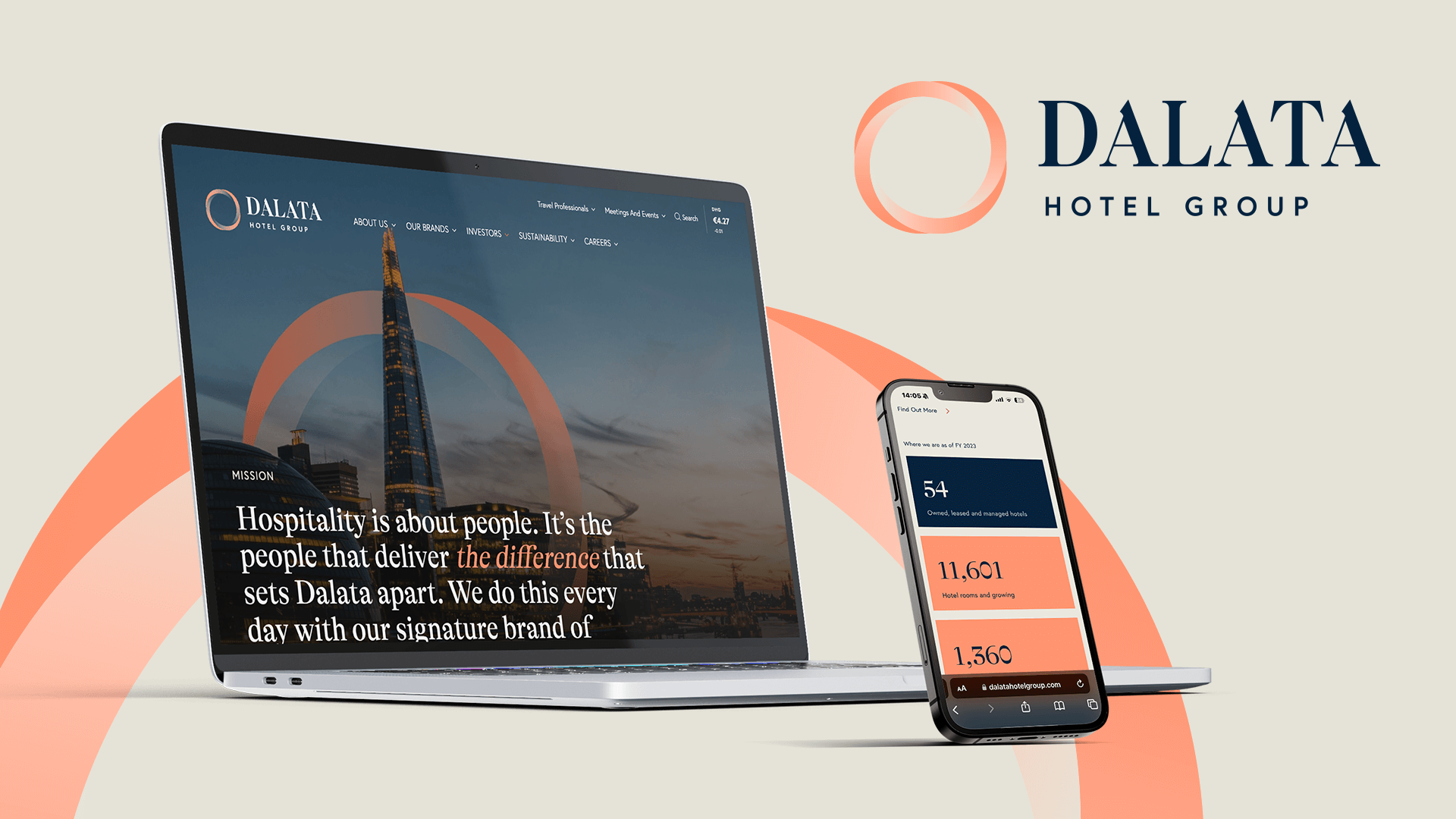
Dalata Hotel Group
Led the digital transformation of Dalata Hotel Group's online presence, consolidating 53 domains into two cohesive websites, enhancing user experien

Project Overview
Role
As the Director of Product & Technology at Granite Digital, I led the digital transformation of the Dalata Hotel Group, Ireland's largest hotel operator. Our objective was to enhance user experience, streamline operations, and boost direct bookings through a comprehensive overhaul of their online presence.
Challenges
Dalata's digital ecosystem comprised 53 individual domains across its Clayton and Maldron hotel brands, leading to:
- Inconsistent User Experience: Disparate websites resulted in varied user interfaces and customer journeys.
- Operational Inefficiencies: Managing multiple domains increased maintenance efforts and costs.
- Suboptimal SEO Performance: Fragmented online presence diluted search engine rankings and discoverability.
Solution
The digital transformation of the Dalata Hotel Group's online presence was a monumental undertaking that required leveraging modern technologies and assembling a highly skilled team. As the Director of Product & Technology, I led a collaborative effort to deliver a multi-site, headless CMS solution built on Strapi, ensuring scalability, flexibility, and operational efficiency.
Technology-Driven Innovation
Strapi CMS Integration
- Headless Architecture:
The project centered on implementing Strapi, a headless CMS, to provide a modular and scalable content management system. This architecture empowered Dalata’s team to manage content across multiple sites efficiently from a single backend. - Multi-Site Management:
Consolidated 53 individual domains into two unified platforms for Clayton and Maldron hotel brands, while preserving brand-specific customizations. - API-Driven Flexibility:
The API-first approach enabled seamless integration with Dalata’s booking engine and third-party tools, ensuring a smooth user journey from discovery to booking.
Responsive and Scalable Design
- Device Agnostic:
Designed and developed responsive websites optimized for web, mobile, and tablet, ensuring accessibility for all users. - Dynamic Content Delivery:
The headless setup allowed dynamic delivery of localized and personalized content to users based on their preferences and location.
Collaborative Team Effort
Team Composition
Delivering a project of this scale required a multidisciplinary team, including:
- Product and Technology Team (Granite Digital):
- 2 Product Managers: Coordinated timelines, requirements, and stakeholder communications.
- 4 Frontend Developers: Built responsive user interfaces, ensuring pixel-perfect execution.
- 3 Backend Developers: Engineered APIs, integrated the CMS, and managed data flows.
- 1 QA Engineer: Conducted rigorous testing to ensure functionality and performance across platforms.
- Dalata’s Internal Team:
- Marketing and content teams provided critical input to align digital strategy with brand goals.
- Design Team:
- Collaborated to create a cohesive design system for consistent branding across the Clayton and Maldron platforms.
Key Collaboration Points
- Cross-Functional Collaboration:
Coordinated with Dalata’s internal teams to define the content strategy and implement features aligned with user needs and business goals. - Agile Methodology:
Adopted agile workflows with regular sprints and feedback loops to ensure alignment and timely delivery.
Challenges and Solutions
- Scale and Complexity:
Managing 53 domains across two brands with distinct identities was a significant challenge. The headless CMS approach allowed centralized control with the flexibility to tailor individual site experiences. - Content Consolidation:
Migrated and restructured vast amounts of content, ensuring no loss of SEO value while improving accessibility and usability. - Operational Efficiency:
The unified CMS drastically reduced the time and effort required to update content, enabling faster go-to-market for promotions and campaigns.
Impact
By integrating Strapi’s headless CMS and assembling a dedicated team, the project achieved:
- Efficiency Gains: Content updates and changes that previously took weeks were reduced to hours.
- Scalability: The modular CMS supports future expansions, including adding new hotel brands or integrating additional features.
- User-Centric Design: Enhanced the customer experience with intuitive navigation, dynamic content delivery, and seamless booking journeys.
Conclusion
The digital transformation of Dalata Hotel Group's online presence resulted in a cohesive, user-friendly platform that enhanced customer engagement, increased direct bookings, and garnered industry recognition. This project exemplifies the impact of strategic digital consolidation and user-centered design in the hospitality sector.
Results
📈 Increased Direct Bookings
Achieved a 6% increase in like-for-like direct room bookings in H1 2024 compared to H1 2023, supported by the consolidation of hotel websites and enhanced digital marketing activities.
💻 Enhanced User Experience
Post-migration, total organic website traffic increased by 6%, indicating improved user engagement and satisfaction.
🏆 Industry Recognition
Awarded Bronze for Best Website at the 2024 Irish Digital Media Awards, acknowledging excellence in design and functionality.
🔧 Operational Efficiency
Significantly reduced website maintenance efforts and costs by consolidating multiple domains into two streamlined platforms.
Gallery