
Exploring Fintech, Blockchain, and E-Commerce with Peter Delaney
Peter Delaney shares insights on fintech, blockchain, and e-commerce in a thought-provoking interview with Velocitize Talks.

As the Director of Product & Technology at WONDR, Peter Delaney has been at the forefront of digital innovation. In an exclusive interview with Velocitize Talks, he delves into the future of fintech, blockchain, and e-commerce, discussing the transformative role of technology in reshaping customer experiences.
Peter highlights the integration of headless architecture, MACH technology, and API-driven systems as the foundation for scalable, customer-centric solutions. With his extensive experience across sectors, Peter sheds light on the challenges and opportunities in digital transformation.
Fintech & the Future
We tried to make it into the Netflix for onboarding.

The digital banking industry is one of WONDR’s major marketing sectors. They encourage their financial clients to adopt fintech products to help drive revenue generation.
One of WONDR’s fintech projects was for 11Onze, a next-generation Catalonia-based startup. 11Onze needed a private social and dynamic network focused on financial literacy. In addition, they needed an educational library to promote content related to finance, economics, and sustainability. This required solid UX design and custom development as well as enterprise-grade security achieved with WP Engine’s enterprise WordPress platform.
WONDR created an innovative and personalized digital experience combining social networking with a learning management system. The new PSN, La Plaça (The Square), is similar to a Facebook-like format. La Plaça recruited over 10,000 members in just one six-month period. WONDR connected the network to blockchain technology to enable and secure future growth.
The universal banking app created for 11Onze, El Canut, was named Best Financial Services App by Vega Global.
Giving Credit Where Credit is Due
I don’t think the credit card is ever going to be dead because we’re still using ATMs, we’re still using transactional information that existed in the ’80s and ’70s. Those particular systems won’t change because they work.
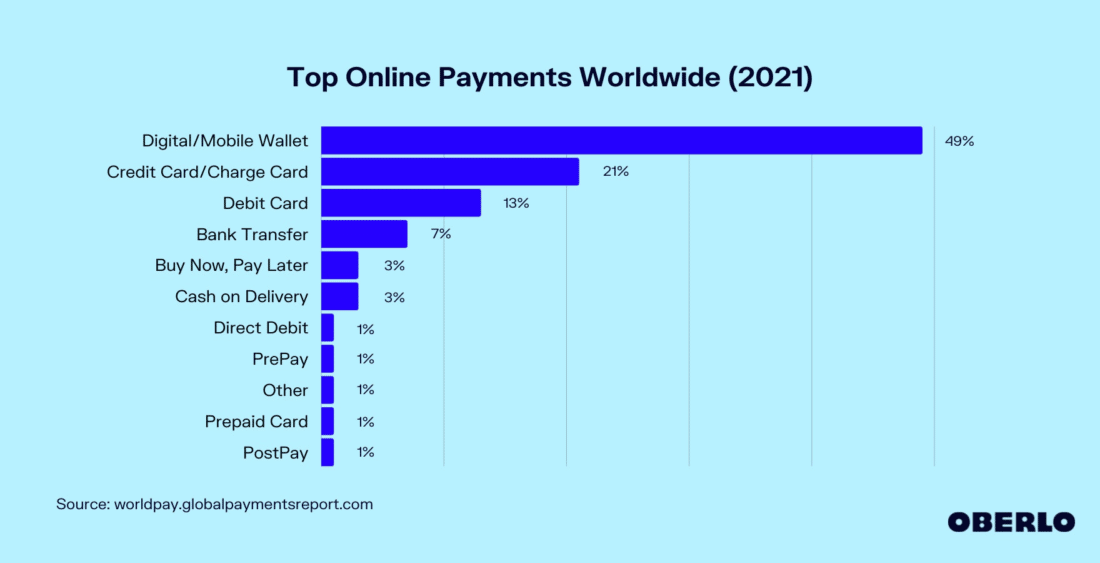
Today digital payments and wallets account for close to 42% of online transactions worldwide. Meanwhile credit and debit cards have become the second most used type of payment online. However, Delaney isn’t overly concerned that credit cards will be obsolete anytime soon.
“We’re built into routine and we like the way we do things,” Delaney says. “As humans we like trying to keep the same systems but slowly introduce different processes.”
Purchasing products online with a credit card is easy and mostly safe compared to other payment methods. Additionally many people still need access to credit to pay for products and services.
Don’t Touch That Cart
They want to select the product because it’s either something that they need or something they wish they had.
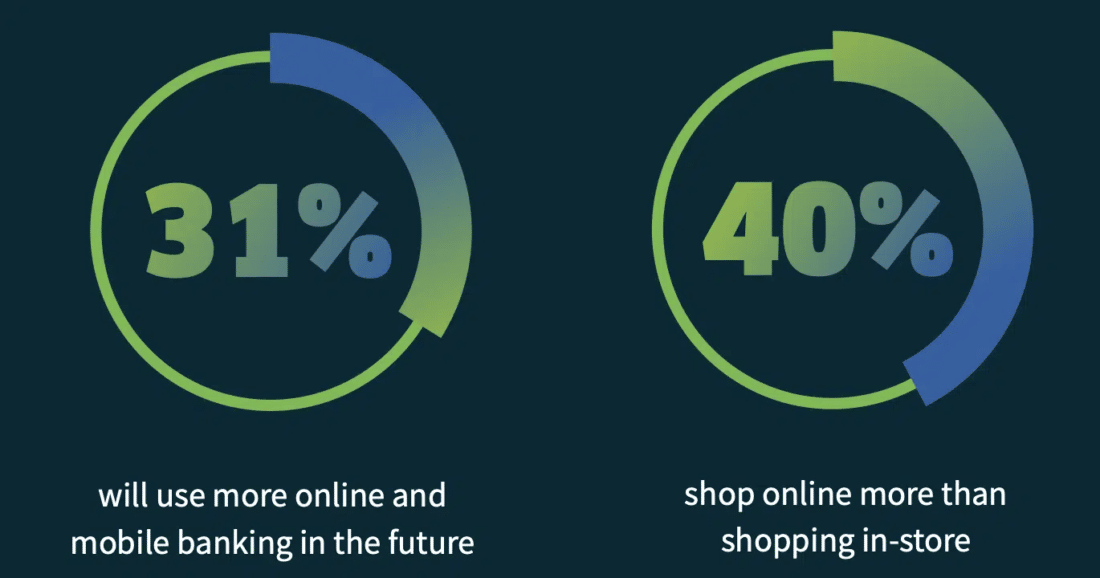
On average, a consumer makes 19 online transactions per year. Although credit cards may be the most user-friendly way to shop online, it could be beneficial to offer multiple payment methods in order to address the high percentage (70%) of online cart abandonment and to simplify the overall checkout process.
“Make your card system as simplistic as possible with the least amount of information being shown to the user so they can cognitively take in the information and process what they’re trying to do, which is buy something,” says Delaney. This will minimize any distractions for the customer thereby enabling a faster transactions.
Keep in mind that it’s not uncommon for so-called “curious shoppers” to add items to their shopping cart only to leave your site without making a purchase. Streamlining the checkout process, including payment options, can help ensure a smoother and more convenient user experience.