
Revolutionizing Digital Product Development with Headless Architecture
Explore how headless architecture is revolutionizing digital product development, with insights from transformative projects like Arnotts, Pet Drugs
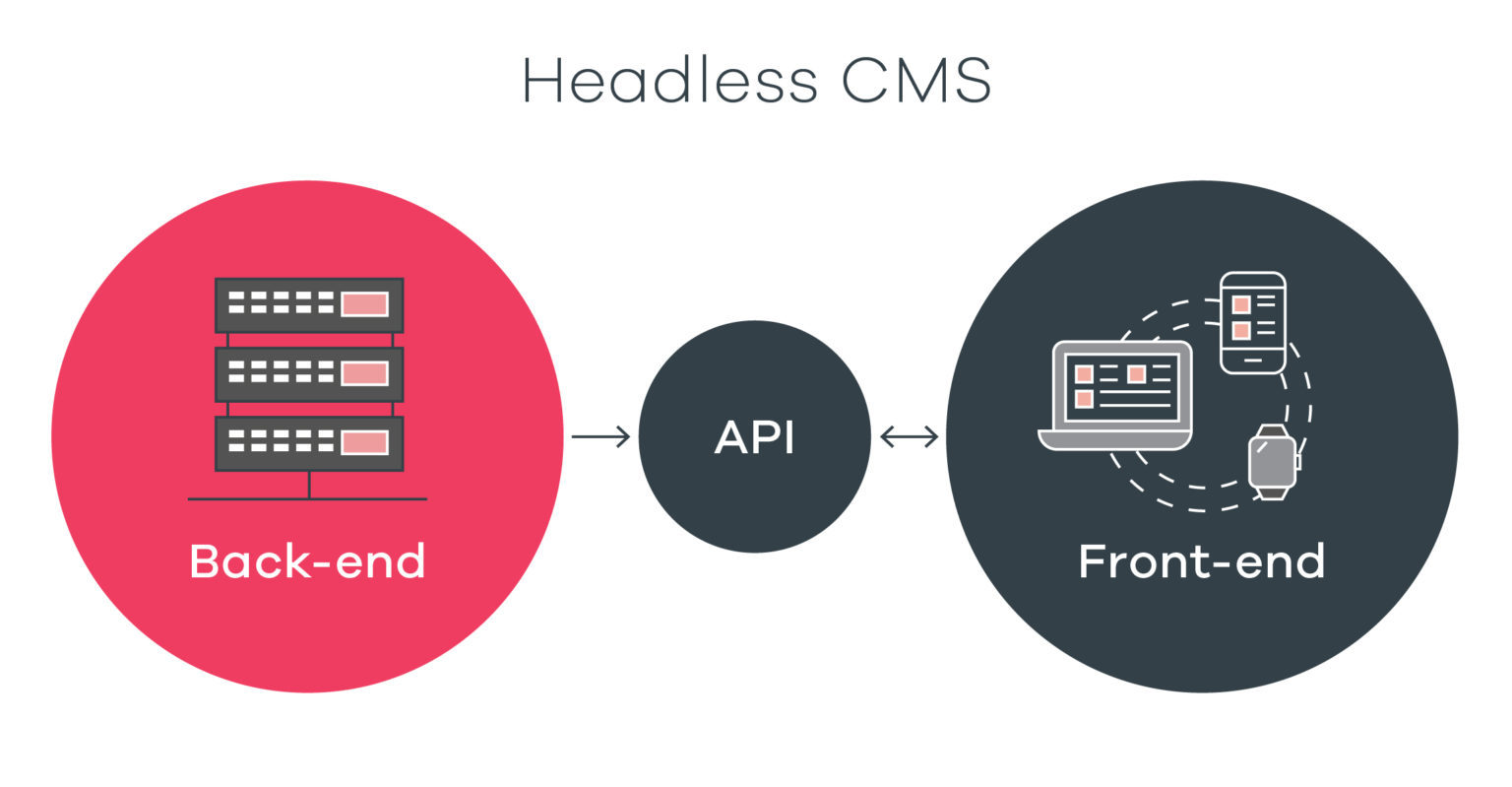
In the fast-evolving landscape of digital product development, the adoption of headless architecture has become a game-changer. As businesses seek agility, scalability, and user-centric solutions, headless content management systems (CMS) and API-driven frameworks are paving the way for innovation. Drawing from my experience leading transformative projects like Dalata, Workvivo, and others, this post explores the advantages of headless architecture and how it has revolutionized digital product development.
What is Headless Architecture?
Headless architecture separates the back-end content management system (the “body”) from the front-end presentation layer (the “head”). This decoupling allows developers to use APIs to deliver content to any device, channel, or application. Unlike traditional monolithic systems, headless CMS provides unparalleled flexibility and adaptability.
Advantages of Headless Architecture
1. Omnichannel Content Delivery
In a world where customers interact with brands through various devices and platforms, consistency is key. Headless CMS enables content to be delivered seamlessly across websites, mobile apps, kiosks, and IoT devices. For instance:
- Pet Drugs Online: The platform’s headless structure allowed content to be dynamically tailored for mobile and desktop users, enhancing accessibility and user engagement.
- Arnotts: Leveraging headless CMS ensured uniform branding and content delivery across multiple touchpoints, from eCommerce to social media campaigns.
- Dalata Hotel Group: Multi-site management was streamlined with Strapi, enabling centralized content updates for multiple hotel brands, ensuring consistency while maintaining individual brand identities.
- Workvivo: The headless setup facilitated dynamic and personalized content delivery across platforms, enhancing user engagement for this employee communication platform.
2. Scalability and Flexibility
As businesses grow, so do their digital needs. Headless architecture’s modular design allows developers to add new functionalities or scale existing ones without disrupting the entire system. For example:
- Multi-Site Management: Projects like Arnotts, Pet Drugs Online, and Dalata Hotel Group required managing multiple domains or microsites. With a headless CMS, updating content across sites became efficient and error-free.
- Future-Ready Platforms: By decoupling the front-end and back-end, platforms remain adaptable to emerging technologies, reducing the risk of obsolescence.
3. Enhanced Developer Experience
Headless CMS empowers developers with the freedom to choose their preferred tools, frameworks, and programming languages. This fosters innovation and accelerates development timelines:
- At WONDR, we leveraged frameworks like React.js and Next.js to create fast, dynamic front-ends for projects such as Pet Drugs Online, Arnotts, and Workvivo.
- API-driven architecture enabled seamless integrations with third-party systems, such as Salesforce Commerce Cloud and Adobe Experience Manager, enhancing functionality without additional overhead.
4. Improved Performance and Speed
Headless architecture optimizes content delivery by utilizing Content Delivery Networks (CDNs) and server-side rendering. These improvements lead to faster load times and better user experiences:
- Pet Drugs Online saw a significant boost in performance metrics, resulting in a 47% year-on-year revenue growth.
- Optimizations for Arnotts’ eCommerce platform contributed to a 100% increase in mobile revenue within just 25 days of launch.
- Workvivo: Achieved increased engagement metrics through fast-loading and highly responsive interfaces powered by a headless architecture.
5. Seamless API Integrations
Headless CMS is inherently API-driven, allowing easy integration with a range of tools and systems, including analytics platforms, marketing automation tools, and payment gateways. This flexibility was critical in:
- Arnotts: Integrating with Adobe Experience Manager for advanced content management and Salesforce Commerce Cloud for seamless shopping experiences.
- Pet Drugs Online: Enabling predictive search and automated recommendations to personalize the customer journey.
- Dalata Hotel Group: Integrated with multiple booking systems to provide a unified yet flexible solution for hotel management.
- Workvivo: Seamlessly connected to corporate tools and employee engagement systems, providing a comprehensive platform for workplace communication.
Case Study Highlights
Arnotts: Bridging Tradition with Innovation
By implementing a headless CMS, we transformed Arnotts’ eCommerce platform into a modern digital powerhouse. The modular design allowed effortless management of multiple domains, while the API-first approach ensured seamless integrations with legacy systems and new technologies.
Pet Drugs Online: Scaling for Success
The headless architecture enabled us to streamline complex user journeys, particularly for prescription orders. The scalability of the platform supported a 47% YoY revenue increase, solidifying the brand’s position as the UK’s No.1 online pet healthcare supplier.
Dalata Hotel Group: Simplifying Multi-Brand Management
For the Dalata Hotel Group, we implemented a headless CMS using Strapi, enabling centralized control of content across multiple hotel brands. This approach maintained brand individuality while streamlining updates, saving time and resources.
Workvivo: Enhancing Employee Engagement
Workvivo’s headless architecture allowed dynamic content delivery, personalized user experiences, and seamless integrations with corporate tools. This helped boost user engagement and positioned Workvivo as a leader in employee communication platforms.
Future of Headless Architecture
As businesses increasingly adopt omnichannel strategies, the demand for headless solutions will continue to grow. Innovations such as AI-driven personalization, voice interfaces, and AR/VR integrations will further highlight the advantages of headless architecture.
At WONDR, we are committed to leveraging these advancements to deliver cutting-edge solutions that drive results. By combining technical expertise with strategic vision, headless architecture empowers brands to stay ahead in a competitive digital landscape.
Conclusion
Headless architecture is revolutionizing digital product development by offering flexibility, scalability, and performance that traditional systems cannot match. My experiences with projects like Arnotts, Pet Drugs Online, Dalata Hotel Group, and Workvivo have demonstrated the transformative potential of this approach. By embracing headless CMS and API-driven solutions, businesses can future-proof their digital presence and deliver exceptional customer experiences.
If you’re ready to explore how headless architecture can transform your digital platforms, let’s connect and discuss the possibilities.